What Hornchurch shops must know about floral display permits
Posted on 08/10/2026
If you run a shop in Hornchurch, floral displays can do a lot of heavy lifting. They soften a storefront, catch the eye, and tell passers-by that something fresh and welcoming is waiting inside. But there is a practical side to it as well. What Hornchurch shops must know about floral display permits is not just about pretty arrangements; it is about knowing when a display might need permission, how to stay on the right side of local rules, and how to avoid a last-minute headache that nobody wants on a busy Friday afternoon.
Truth be told, the permit question often comes up when a display grows from a few pots by the door into a larger pavement feature, a branded entrance installation, or a seasonal setup that stretches into shared public space. That is where things can get murky. This guide breaks it all down in plain English so you can make sensible decisions, reduce risk, and plan displays that work for your shop rather than against it.
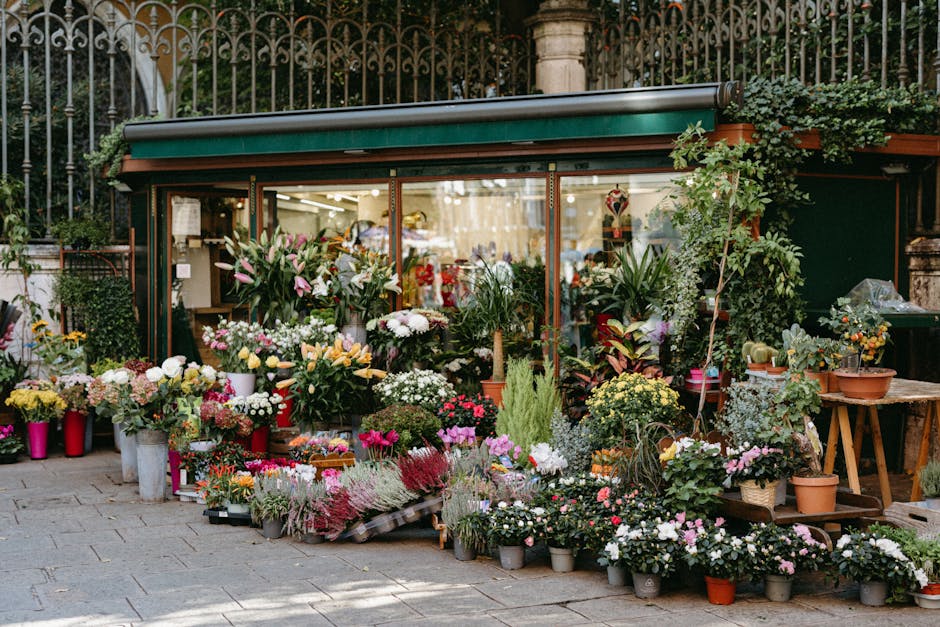
Table of Contents
- Why it matters for Hornchurch shops
- How floral display permits work
- Key benefits and practical advantages
- Who this is for and when it makes sense
- Step-by-step guidance
- Expert tips for better results
- Common mistakes to avoid
- Tools, resources and recommendations
- Law, compliance, standards and best practice
- Options, methods and comparison table
- Case study or real-world example
- Practical checklist
- Conclusion
- Frequently asked questions
Why What Hornchurch shops must know about floral display permits Matters
Floral displays may look simple from the street, but they can intersect with a few different responsibilities: property boundaries, pedestrian access, frontage licensing, advertising rules, safety, and waste management. If a display sits wholly inside your shop boundary, you may have far fewer issues. Once it nudges into a pavement, a shared walkway, a neighbouring frontage, or a space that needs to remain clear for the public, the conversation changes quickly.
For Hornchurch retailers, this matters because shopfronts tend to compete for attention in compact trading streets. A well-placed arrangement can make a lovely first impression. A poorly planned one can become a trip hazard, block visibility, or attract complaints. And once complaints start, they rarely stay small. One person phones in. Then another. Then someone from the council gets involved and suddenly your cheerful bouquet display feels like admin with thorns on it.
You also need to think about the practical side of business operations. Displays can affect cleaning schedules, delivery access, stock movement, and even customer flow through the doorway. The goal is not to stop you using flowers creatively. Far from it. The goal is to help you do it in a way that is sustainable, tidy, and defensible if anyone asks questions later.
Key point: the need for a permit or permission usually depends less on the flowers themselves and more on where they are displayed, how large the setup is, and whether it affects public access or safety.
How What Hornchurch shops must know about floral display permits Works
In simple terms, a floral display permit is the approval or consent you may need before placing flowers, planters, stands, arches, or promotional arrangements in a space that is not fully private. The exact process can vary depending on the type of frontage, whether the space is part of your lease, and whether a public highway or shared footway is involved. That is why two shops next door to each other can end up with different requirements. Same street, different arrangements, different answers.
Usually the process starts with a very practical question: is the display entirely on your own premises? If yes, it may simply need sensible internal approval and good health-and-safety practice. If not, you may need permission from the relevant property owner, managing agent, landlord, or local authority depending on the situation. In some cases you may need more than one form of approval. That is the part people often miss.
Here is the usual logic, without pretending every site is identical:
- Define the display area. Measure exactly where the flowers will sit and whether any part will extend into public or shared space.
- Identify the controlling party. That might be the landlord, a managing agent, or the local authority, depending on the frontage.
- Check safety impact. Think about visibility, fire exits, wheelchair access, and whether the display could be knocked over.
- Prepare a simple proposal. Photos, dimensions, materials, and placement details help a lot.
- Secure approval before installation. Not after. After is when people start using the word "remedial".
- Maintain and review. Floral displays change quickly in warm weather, after rain, or during busy trading periods, so review them regularly.
If your business sends flowers or manages a wider floral offer, it can help to understand how delivery and presentation work together too. For example, many shops pair storefront displays with flower delivery in Hornchurch RM11 or a seasonal range shown through local flower shop pages, but the physical display itself still needs its own permission check if it affects public space.
One practical detail that gets overlooked: a display can become non-compliant even if it was fine on day one. A planter that was tucked neatly beside the entrance can drift half a metre after a windy evening or a rushed closing shift. That tiny shift is sometimes enough to create a problem. Small thing, big annoyance.
Key Benefits and Practical Advantages
Getting the permit question right is not just about avoiding trouble. Done properly, it can improve the way your shop works and the way customers feel when they approach it.
- Better curb appeal: A compliant floral display can make your entrance feel inviting and memorable without creating friction.
- Lower risk of disputes: Clear permissions reduce the chances of complaints from neighbours, landlords, or pedestrians.
- Stronger brand presentation: Flowers communicate care, freshness, and attention to detail, which is useful for any retail business.
- Less operational stress: When placement is agreed in advance, staff spend less time worrying about whether they are "allowed" to leave a display out.
- Safer footfall flow: A tidy, controlled layout supports accessibility and customer movement.
There is also a commercial upside. In retail, first impressions are not a fluffy extra. They affect whether a person stops, looks, and walks in. A well-managed flower display can support seasonal promotions, gift messaging, and overall shop identity. If your business already sells arrangements, you may also want to align your frontage style with product collections such as all flowers or best sellers, so the customer experience feels joined up rather than random.
And yes, there is a reputational benefit too. Local businesses that keep their frontages neat and considerate tend to build trust. People notice when a shop looks cared for. They notice the calm, uncluttered entrance. They notice the little things. Probably more than they should, but they do.
Who This Is For and When It Makes Sense
This topic matters to a wider group than many shop owners expect. If you sell flowers, gifts, greetings cards, or any product where presentation matters, you may benefit from understanding permit requirements before you arrange anything outside the door.
It is especially relevant if you are:
- a florist with a visible street-facing shopfront
- a retailer using flowers as a seasonal welcome display
- a cafe or salon that places planters or floral features by the entrance
- a gift shop combining floral displays with occasion-led merchandising
- a business working from a mixed-use building with shared frontage
- a shop that wants to extend displays onto the pavement, even slightly
It also makes sense if you are planning something temporary. That includes Mother's Day, Valentine's Day, wedding season, Christmas, or a local promotion where the front of the shop is meant to do a bit more than usual. Temporary setups are often where people relax too much. "It's only for a week" has caused more awkward conversations than it should.
If your business also handles event flowers or special occasions, consider how the visual theme of your display connects with your offer. A shop that markets wedding flowers in Hornchurch may use a very different frontage style from a business focused on sympathy or everyday bouquets. That is fine. The permit question stays the same: can you place it there safely and lawfully?
Ask yourself: would a pedestrian, wheelchair user, courier, or neighbouring business have to change how they move because of your display? If the answer is yes, you probably need to slow down and check the permission side properly.
Step-by-Step Guidance
If you are dealing with floral display permissions for the first time, keep the process straightforward. No need for drama. Just work through it methodically.
1. Measure the space accurately
Start with a tape measure, not guesswork. Record the width, depth, and height of the display, and note whether it will sit flush to the building or project outward. If there is more than one entrance, measure each approach separately.
2. Check the boundary line
Find out exactly where your leased or owned area ends. That can be less obvious than people think, especially in older premises or shared commercial properties. A display that seems "near enough" to your frontage may actually sit in a shared zone.
3. Review the pedestrian route
Think about how people actually move past your shop. Morning rush. School run. Rainy day with umbrellas. Delivery van waiting outside. Hornchurch streets can feel busy in bursts, and a display that looks elegant at 10am may feel crowded by 5pm.
4. Decide whether the arrangement is static or temporary
Temporary setups sometimes need different permissions from permanent ones. A seasonal flower arch or promotional installation is not the same as a pair of planters beside the doorway. Keep the timing clear in your proposal.
5. Prepare a simple visual plan
Use photographs, a quick sketch, or a marked-up floorplan. You do not need architecture-grade drawings for every arrangement, but you do need clarity. Decision-makers respond better when they can see exactly what you mean.
6. Ask for approval in writing
Verbal permission is useful only until someone forgets giving it. Written approval is better because it gives you a record of what was agreed, for how long, and under what conditions.
7. Install with access in mind
Leave enough space for safe passage, maintenance, and emergency access. Do not assume staff will always remember where the "safe gap" is. Mark it if needed. Make it obvious.
8. Inspect and maintain regularly
Flowers fade, containers move, rain soaks labels, and wind does what wind does. Build in a quick inspection routine so the display stays tidy and compliant. A five-minute check can save a very long conversation later.
If you also manage order fulfilment or want a broader product offer, pages such as same-day flower delivery in Hornchurch and next-day flower delivery can support your trading flow, but the external-facing display should still be treated as its own compliance task. Different job, same care required.
Expert Tips for Better Results
In our experience, the best floral frontage decisions are the boring ones. Not visually boring, of course. Operationally boring. Clear, measured, tidy, repeatable. That is usually what works.
- Choose stable containers: Heavy pots and well-balanced stands are less likely to tip, especially in windy spots.
- Keep sightlines open: Do not block windows, door handles, signage, or the view into and out of the shop.
- Use seasonal flowers wisely: Seasonal displays can be refreshed without redesigning the whole frontage every time.
- Match the display to footfall: Busy retail streets need simpler layouts than quiet parades.
- Plan for upkeep: A display that looks brilliant on installation day but droops by Thursday is not a win.
- Train staff lightly: Make sure whoever opens or closes knows the rules, the boundaries, and the basic do-not-move-this spots.
A small but useful idea: keep a "frontage note" in your shop file. Just one page. Include the approved dimensions, who granted permission, any conditions, and a photo of the display in place. It sounds overly neat until you need it. Then it sounds genius.
Another tip: if your shop has more than one display type, keep them visually distinct. For example, a bouquet stand inside, a planter by the threshold, and a promotional board a little further back. Clarity helps compliance. It also looks more intentional, which customers tend to like.
Common Mistakes to Avoid
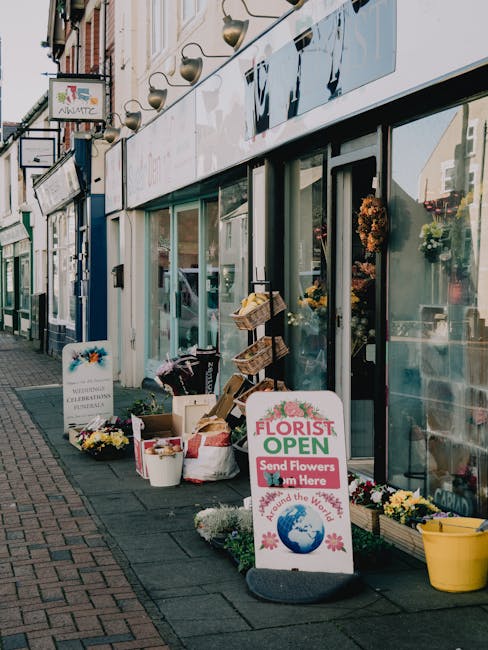
Most problems with floral display permits come from a small set of predictable mistakes. They are common because they feel harmless at the time. That is exactly why they trip people up.
- Assuming "it's only flowers" means no permission is needed. The flowers are rarely the issue. The location is.
- Letting displays drift into public space. A pot moved an inch or two each day can eventually become a problem.
- Forgetting accessibility. If a display narrows the path too much, it may create issues for wheelchair users, pushchairs, or people with sight loss.
- Not confirming who owns the frontage. Shops sometimes work in premises where the leaseholder, landlord, or managing agent all have different views.
- Ignoring maintenance. A damaged container or wilted arrangement can make a display look neglected and less safe.
- Using only a verbal agreement. Memories fade. Emails do not, at least not as quickly.
- Overcrowding the entrance. If customers have to weave around your display, it is too much.
One subtle mistake is thinking that because a display helped sales once, it will keep helping sales forever. Not always. If it gets in the way, the goodwill disappears pretty quickly. People are patient, but not infinitely patient. Especially on wet days when everyone is carrying bags and trying to get out of the rain.
Tools, Resources and Recommendations
You do not need expensive software to manage a floral display permit process. Honestly, a good notebook, a camera phone, and a clear email trail will solve a surprising amount. The real value is in how consistently you use them.
- Measuring tape: for exact dimensions and clearance checks.
- Phone camera: for before-and-after photos, and for recording the approved placement.
- Basic site plan: even a simple marked sketch helps.
- Maintenance checklist: useful for opening and closing routines.
- Email records: keep approval details in one searchable thread.
- Storage solution: a dry place for spare pots, stands, or floral equipment.
For businesses that also want to align display quality with their wider customer experience, useful pages like about us, guarantees, and flower care can help set expectations around standards and product handling. That is especially useful when your frontage is part of the trust signal.
And if you are preparing for busy periods, a few broader retail categories can help your team think in themes rather than random add-ons. For example, any occasion, luxury flowers, and cheap flowers can all play different roles in a display strategy, depending on the message you want the shopfront to send.
Law, Compliance, Standards, or Best Practice
This is the section where people often want certainty, but the honest answer is that floral display permissions are usually shaped by several overlapping rules rather than one neat single rule. Depending on the site, you may need to consider lease terms, landlord permission, local authority requirements, pavement safety, accessibility expectations, and general duty of care.
Best practice is to treat any display that might affect public access as something that needs formal review. If you are placing anything outside the shop boundary, especially on or near a pavement, do not rely on assumptions. Check the relevant permissions first. If you have a lease, read the frontage clauses carefully. If a managing agent is involved, ask for written confirmation. If the display touches public space, find out whether any local consent is needed before you install it.
From a practical compliance point of view, there are a few standards worth keeping in mind even when no single permit is clearly triggered:
- Keep pathways unobstructed: customers and pedestrians should not have to squeeze around the display.
- Maintain clear emergency access: never compromise exits, fire routes, or service access.
- Avoid sharp edges or unstable structures: floral fixtures should not create hidden hazards.
- Use weather-resistant materials where needed: wet pavement and lightweight stands are a poor combination.
- Review regularly: what was safe on Tuesday may not be safe after a storm or delivery day.
If you are unsure, that is not a weakness. It is normal. To be fair, most shop owners do not spend their week reading frontage conditions. They are running a business. That is why a short written check is so useful. It turns a fuzzy decision into a documented one.
One more thing: if a display is intended to support a special event, make sure the event timing does not create a compliance blind spot. The rush before a wedding season launch or spring promotion is exactly when people forget to double-check details. And that is usually when small mistakes sneak in.
Options, Methods, or Comparison Table
Different floral display approaches carry different permission and maintenance needs. The right choice depends on space, footfall, and how much control you want to keep over the frontage.
| Display method | Typical permission need | Risk level | Best for | Notes |
|---|---|---|---|---|
| Indoor window display | Usually low, if entirely within your premises | Low | Showcase shops, gift shops, florists | Focus on visibility and balance, not public access |
| Front-door planter arrangement | May need approval depending on boundary and lease terms | Medium | Small shopfronts and daily retail | Check clearance and stability carefully |
| Pavement-facing floral feature | Often higher likelihood of formal permission | Medium to high | Busy high street frontages | Access, safety, and local consent matter most |
| Seasonal floral installation | Likely to require clear written approval | Medium to high | Promotions and events | Set duration, maintenance, and removal date in advance |
| Temporary promotional stand with flowers | Often needs review if it affects movement | Medium | Occasion-led retail | Keep messaging and flowers separate if possible |
The simplest path is often the best one. A neat indoor display or a fully internal frontage arrangement gives you most of the visual value with fewer headaches. If you do need to step outside, do it deliberately and document everything. That is the difference between a display and a problem waiting to happen.
Case Study or Real-World Example
Imagine a small Hornchurch gift shop that wants to create a spring-themed entrance. The owner starts with two low planters by the doorway, then adds a narrow floral stand and a chalkboard sign. It looks lovely, especially in the morning light when the flowers are still fresh and the street is quiet. A few days later, footfall picks up, and a customer with a pram has to edge around the display. Nothing dramatic, just awkward. The owner realises the setup has gradually spread further than intended.
Instead of letting the arrangement drift, the shop takes a step back. It measures the frontage, checks whether the stand is inside the leased area, and asks for written approval for the final layout. The display is then tightened up so it sits closer to the wall, leaving a clear walking route. The flowers still do their job. The entrance still feels welcoming. But now it is easier to maintain and much less likely to cause a complaint.
The lesson is simple. Good floral displays are not just about how they look on installation day. They are about how they behave in the real world: during deliveries, in bad weather, when the shop is busy, and when people are half-looking where they are going. That is where practical planning pays off.
If the shop later wants to pair the frontage with a more gift-led offer, product pages such as flowers and chocolate or flowers in a vase can help keep the overall presentation coherent. The display tells the story before the customer even walks in.
Practical Checklist
Use this checklist before you install or refresh a floral display outside a Hornchurch shop.
- Have I confirmed where my boundary line actually is?
- Does any part of the display sit in shared or public space?
- Have I checked lease, landlord, or managing agent conditions?
- Is the route for pedestrians clear and comfortable?
- Would the display block doors, signs, windows, or emergency access?
- Are the containers stable in wind, rain, or busy footfall?
- Have I recorded approval in writing?
- Is there a maintenance plan for watering, cleaning, and replacement?
- Have staff been told what must not be moved?
- Is there a removal date for temporary or seasonal displays?
If you can tick all ten with confidence, you are already ahead of a lot of shops. And if a couple are still unclear, that is fine. Better to pause now than patch up problems later.
Conclusion
At its heart, What Hornchurch shops must know about floral display permits comes down to one simple idea: beautiful shopfronts are best when they are safe, clear, and approved. Flowers can transform a frontage, but the most effective displays are the ones that work quietly in the background without creating uncertainty or friction.
Start with the boundary. Check the permission. Keep the route open. Document what you agreed. That small bit of discipline makes floral displays much easier to manage, whether you are dressing a doorway for a seasonal rush or keeping a permanent arrangement looking sharp through the week.
And if you do it well, the result is genuinely satisfying. A tidy, welcoming entrance on a breezy Hornchurch street, the scent of fresh flowers, a customer slowing down to look in. That is the kind of detail people remember.
Get a free quote today and see how much you can save.
When in doubt, take the calm route. It usually ends up being the smartest one.
Frequently Asked Questions
Do Hornchurch shops always need a permit for floral displays?
No, not always. If the display stays fully within your own premises and does not affect public access or shared space, a permit may not be needed. Once anything moves outside the boundary or into a communal area, permission may be required.
What counts as a floral display that might need permission?
That can include planters, stands, floral arches, doorway arrangements, seasonal frontage features, and any display that projects into a pavement or shared walkway. The size and location matter more than the fact that it uses flowers.
Who usually gives approval for a shopfront floral display?
It depends on the property. Approval may come from a landlord, managing agent, or local authority depending on whether the display is inside private space, within a lease-controlled frontage, or affecting public space.
Can I place flowers just outside my shop door without asking anyone?
Not safely, no. Even a small display can create access or boundary issues. If there is any chance it touches a shared or public area, get confirmation before installing it.
Are temporary seasonal displays treated differently from permanent ones?
Often yes. Temporary displays may still need approval, but the duration, size, and removal date can all affect how they are reviewed. Always make the timeframe clear in your request.
What is the biggest compliance risk with floral displays?
The biggest risk is usually obstruction. If the display narrows walkways, hides hazards, blocks doors, or creates a trip issue, it can become a problem quickly. Stability and visibility matter a great deal.
How do I make a floral display easier to approve?
Keep it simple, measured, and well documented. Include photos, dimensions, placement details, and how you will maintain it. Decision-makers are much happier when they can see the plan clearly.
Can a display affect accessibility requirements?
Yes. A floral arrangement should not make it difficult for wheelchair users, pushchairs, or pedestrians with limited mobility to pass safely and comfortably. Leave a sensible clear route.
What should I do if my display already extends too far?
Move it back and review the setup immediately. Then check whether you need permission for the revised layout. If there has already been a complaint, deal with it promptly and politely. That usually helps.
Do floral display permits apply to indoor window arrangements?
Usually not in the same way, as long as everything stays inside the premises. Indoor displays are generally simpler because they do not affect public space. Still, make sure they do not block fire routes or internal access.
Should I keep records of floral display permission?
Absolutely. Save emails, notes, photos, and any written approval in one place. If someone questions the display later, you will be glad you did.
Is a beautiful display worth the extra admin?
Usually yes, if it is done properly. A thoughtful floral frontage can lift the whole look of a shop and help customer engagement. The trick is making sure the beauty does not create avoidable problems. Small effort, big payoff.