Havering Council guidance on flower stalls in Hornchurch
Posted on 16/10/2026
If you are planning a flower stall in Hornchurch, the details matter more than most people expect. A good display of roses, lilies, seasonal bunches and cheerful hand-tied bouquets can look effortless from the pavement, but behind the scenes there is usually a fair bit to check: permissions, trading location, display safety, waste, delivery timing and how your stall fits into the local environment. This guide to Havering Council guidance on flower stalls in Hornchurch is here to make that process feel much more manageable.
Whether you are a florist testing a new pitch, a market trader expanding into the area, or a local business that wants to sell flowers near a busy footfall point, you need clear, practical information. Let's face it, nobody wants to set up at first light and then discover a simple detail has put the whole day at risk. The good news is that once you understand the basics, the rest becomes a lot easier.
This article explains what the guidance usually means in practice, what local sellers should think about, and how to plan a compliant, attractive stall that works well for customers and the surrounding area.
- Why Havering Council guidance on flower stalls in Hornchurch matters
- How Havering Council guidance on flower stalls in Hornchurch works
- Key benefits and practical advantages
- Who this is for and when it makes sense
- Step-by-step guidance
- Expert tips for better results
- Common mistakes to avoid
- Tools, resources and recommendations
- Law, compliance, standards, or best practice
- Options, methods, or comparison table
- Case study or real-world example
- Practical checklist
- Conclusion
- Frequently asked questions
Why Havering Council guidance on flower stalls in Hornchurch Matters
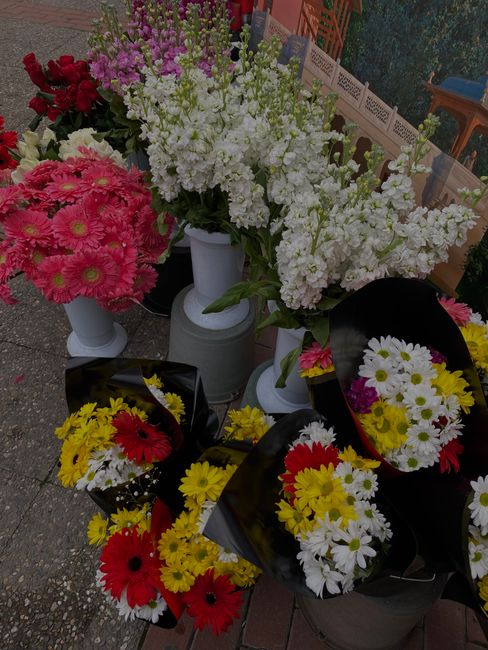
Flower stalls are often small operations, but they still affect pavements, traffic flow, customer access and the overall feel of a street. In a busy place like Hornchurch, that matters. A well-run stall can add colour and life to an area, especially on weekends, near shopping parades, or around busy commuter times. A poorly planned one, on the other hand, can cause clutter, trip hazards, blocked sightlines, and complaints from nearby traders or residents.
The council guidance exists to balance trade with public space. That is the core idea. You are not just selling flowers; you are operating in a shared environment where access, safety and neighbourhood character all matter. If you get that balance right, you are much more likely to build trust, avoid unnecessary disruption, and keep the stall running smoothly.
There is also a commercial side to this. A customer standing in front of a neat, orderly flower display is already halfway to buying. The stall looks cared for, the product looks fresh, and the whole setup feels reliable. In our experience, that first impression counts for a lot, sometimes more than the bouquet itself.
Key point: the value of local guidance is not just compliance. It helps you choose a stall setup that is safer, cleaner, easier to manage and more appealing to customers.
Another reason this guidance matters is that local expectations can differ from one area to another. What works in a market hall or private forecourt may not be suitable on a public pavement. If you assume the same approach will fit everywhere, you can run into avoidable trouble. Nobody needs that headache, especially before 8 a.m. with boxes, buckets and a mildly annoyed delivery driver waiting nearby.
How Havering Council guidance on flower stalls in Hornchurch Works
At a practical level, the guidance usually shapes how, where and when a flower stall can operate. Exact requirements can vary depending on the pitch, whether the stall sits on private land or public land, and whether other permissions are needed. In plain English: the legal and practical route is not always identical for every trader.
Most sellers need to think through a few connected questions:
- Is the stall on land that allows trading?
- Does the location require permission, a licence or consent?
- Can pedestrians still pass safely and comfortably?
- Will the stall create waste, water runoff or obstruction issues?
- Do opening times fit the area and nearby uses?
That might sound a bit dry, but it is really about good street trading practice. The council's guidance is there to reduce friction. If your stall is tidy, visible and properly managed, it usually makes life easier for everyone: you, customers, local businesses and anyone responsible for the space.
It also helps to remember that a flower stall is not only a sales point. It is a display, storage system, transport hub and public-facing retail space rolled into one. The same bunch of flowers may need to stay fresh in cold morning air, remain protected from wind, and still look inviting when the sun comes out. Slightly chaotic? Sometimes. Very manageable? Also yes, if you plan it properly.
For customers who want local bouquets and seasonal arrangements, the broader service side matters too. A seller who understands the local delivery flow, for example through flower delivery in Hornchurch, can align stall stock with what people actually buy on the street. That makes the whole operation feel more joined-up rather than improvised.
Key Benefits and Practical Advantages
Following the right local guidance brings more than just peace of mind. It can improve how your stall performs day to day.
| Benefit | What it means in practice | Why it helps |
|---|---|---|
| Lower compliance risk | You are less likely to face issues about placement, obstruction or trading conditions. | Saves time, stress and possible disruption. |
| Better customer flow | People can approach, browse and buy without feeling crowded. | Improves conversion and repeat trade. |
| Cleaner presentation | Stock, buckets and packaging are managed more neatly. | Boosts trust and makes flowers look fresher. |
| Less waste and spoilage | Stock rotation is clearer, and display planning becomes more efficient. | Protects margins and reduces waste. |
| Stronger local reputation | Nearby businesses and customers see you as professional and considerate. | Important in a local market where word travels fast. |
There is also a subtle branding benefit. A well-run flower stall can become part of the local rhythm. People notice the same bright colours every week, the same tidy buckets, the same friendly face. That kind of familiarity builds loyalty. Not in a dramatic way, just in the ordinary, reliable way that keeps a small business alive.
If you sell a wider range of floral products, the stall can also act as a practical showcase. Customers may see a simple hand-tied bunch and then later place an order for more specialised arrangements such as wedding flowers in Hornchurch or seasonal collections. The stall then becomes part of a longer customer journey, which is exactly what you want.
Who This Is For and When It Makes Sense
This guidance is relevant to more people than you might think. It is not just for full-time florists with a permanent presence. In fact, the people who often need it most are the ones trying to be flexible or test demand.
- Independent florists who want to add a visible street-facing sales point.
- Seasonal traders selling for Valentine's Day, Mother's Day, Christmas, anniversaries or memorial occasions.
- Market stallholders expanding their range into fresh flowers and hand-tied bouquets.
- Event-based sellers providing flowers for weddings, funerals or community occasions.
- Local business owners who want a small floral display or pop-up retail presence.
It also makes sense if you are thinking about customer demand in Hornchurch specifically. Morning commuters, weekend shoppers, people buying a last-minute gift, and customers looking for sympathy flowers all behave differently. A stall can work brilliantly if the stock and timing fit those habits.
Truth be told, some sellers focus only on the flowers and forget the setting. That is usually where things get sticky. A bouquet may be gorgeous, but if the stand blocks a doorway or is set up at the wrong time, the whole operation becomes harder than it needs to be.
If you are exploring a broader service offer, you may also want to look at flower shops in Hornchurch as a reference point for how local customers browse, compare and expect service to feel. That can be useful even if your main trade is a stall, because the same expectations often follow the same customer.
Step-by-Step Guidance
Here is a practical way to approach setup without turning it into a bureaucratic marathon.
- Check the exact location. Confirm whether the stall is on private land, a market pitch, or a public pavement area. This changes the permission picture.
- Review local trading expectations. Look at whether the stall could obstruct walking routes, entrances, visibility or vehicle movement.
- Work out your operating hours. Early mornings can be excellent for flower sales, but you still need to respect the area's rhythm.
- Plan the display layout. Leave clear routes for customers and pedestrians. Keep the most fragile flowers protected from wind and strong sun.
- Manage water and packaging. Buckets, cut stems, wrapping paper and cardboard can create clutter fast if you are not organised.
- Prepare your stock mix. Keep a balance of everyday flowers and occasion-led options. Mixed bunches often sell well because they are easy to choose.
- Check business paperwork. Depending on how you trade, you may need business records, insurance, or permissions relevant to your setup.
- Keep a simple tidy-down routine. Set a closing checklist so you do not leave waste, water or stray stems behind.
A small real-world example: a trader with buckets of seasonal stems placed too close to a busy entrance might think they are creating a lively display. The customer sees the same thing as clutter. A little shift of 30 centimetres can change that completely. It sounds tiny, but on a street, tiny things matter a lot.
For product presentation, many traders use a few core ranges to keep the stall readable at a glance. Classic roses, cheerful mixed colours, and a compact selection of signature bunches often work well. A stall with too many options can look impressive for a moment and confusing five minutes later. There is such a thing as too much choice. Annoying, but true.
Expert Tips for Better Results
Good stall management is partly compliance, partly retail instinct. Here are the details that often separate an average pitch from a strong one.
- Design for first glance. Customers should understand your offer within a few seconds. Put the clearest, freshest flowers at eye level.
- Use weather-proof thinking. Hornchurch weather can be a mixed bag, and flowers do not love being battered by wind or direct heat for long. Shade, cover and stable containers help.
- Keep price points obvious. People buying on impulse do not want to ask three times what something costs.
- Rotate stock often. Freshness sells. So does confidence. The moment flowers look tired, interest drops.
- Build a simple occasion range. Having bouquets for birthdays, sympathy, thank-you gifts and just-because purchases can widen your appeal.
One of the best practical habits is to think in terms of customer journeys. A person might see your stall, buy a small bunch today, then order a larger arrangement tomorrow. If your presentation is memorable, that sequence becomes much more likely. It is a bit like the smell of fresh flowers lingering on your hands after a busy morning; the feeling stays with people.
Another tip: don't let transport chaos spill into the selling space. Keep incoming boxes, spare wrapping and return crates out of sight where possible. The stall should feel calm, even if the van parked nearby tells a different story.
And yes, ask yourself this now and then: would I stop here if I were walking past with coffee in hand? That question is usually more useful than a long planning spreadsheet.
Common Mistakes to Avoid
Most problems with flower stalls are not dramatic. They are small oversights that add up.
- Assuming permission is automatic. Just because a pitch looks available does not mean it is suitable for trading.
- Overcrowding the space. Too many buckets, signs or crates can make the stall feel messy and risky.
- Ignoring foot traffic patterns. A busy footpath needs clearer space than a quiet side street.
- Forgetting waste management. Wet wrapping, stem cuttings and damaged blooms can quickly become an issue.
- Stocking the wrong mix. If everything is high-end, you may miss casual buyers. If everything is basic, you may miss gift buyers.
- Neglecting freshness controls. Flowers need water, shade and timely rotation. Simple, but easy to slack on during a busy spell.
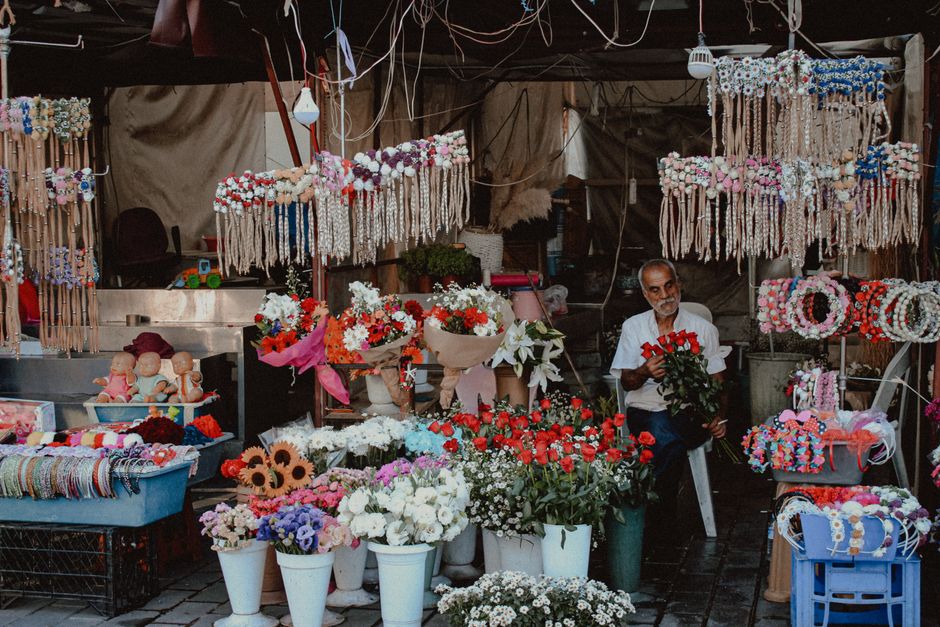
Another common mistake is designing the stall for the seller instead of the customer. You might know where every bunch is. The person standing there for 20 seconds in the rain does not. Make it easier than you think it needs to be.
There is also a reputational risk. If nearby businesses or residents see your stall as untidy, noisy or obstructive, they may push back. That can be harder to repair than a dropped bouquet, frankly.
Tools, Resources and Recommendations
You do not need a complicated kit to run a good flower stall. But the right basic tools make everything smoother.
- Stable display containers for water-filled buckets and cut flowers.
- Weather protection such as covers, weighted stands or shade where appropriate.
- Clear pricing labels that are easy to read at a glance.
- Waste bags and tidy-down supplies so the pitch can be cleared properly.
- Simple stock notes to track what sells best at different times.
- Customer-friendly wrapping that protects blooms without looking wasteful.
For product inspiration and range planning, it can help to look at the structure of a strong local online offering. For example, category pages such as all flowers, best sellers and cheap flowers show how customers often browse by value and occasion before they ever ask a question. That is useful commercial insight, not just website fluff.
If your stall leans toward special occasions, ranges like birthday flowers and thank-you flowers can help you think about what people are actually buying for. Not every customer is seeking a grand arrangement. Sometimes they just need a clean, cheerful bunch that feels thoughtful and easy.
For trade administration, keep a tidy record of what you are selling, when you are trading and any permissions or agreements connected to the pitch. That sounds boring. It is boring. But boring records save time when questions come up.
Law, Compliance, Standards, or Best Practice
Because flower stalls usually sit in public-facing spaces, the compliance side should be taken seriously. The exact obligations can depend on the pitch type, location and trading arrangement. In practice, that means you should not rely on guesswork.
Common best-practice areas to think about include:
- Trading permission: confirm whether the stall is allowed where you intend to operate.
- Public access: keep walkways clear and avoid creating pinch points.
- Safety: make sure stands, buckets and signage are stable and not likely to topple.
- Hygiene: manage water spills, dropped stems and packaging waste promptly.
- Neighbour relations: be considerate with noise, storage and the footprint of the setup.
- Consumer clarity: label prices clearly and present products honestly.
If you sell flowers at scale or alongside other goods, insurance and general business duties may also be relevant. It is always sensible to check what applies to your exact setup rather than assuming a one-size-fits-all answer.
Best practice in this sector is simple: keep the stall tidy, keep the route open, keep the flowers fresh, and keep the paperwork in order. That is the backbone of a reliable operation. Everything else sits on top of it.
And if you are selling flowers for sensitive occasions such as funerals or remembrance, extra care matters. Customers are not just buying an arrangement; they are buying something that needs to feel respectful, calm and appropriate. That is a different level of service, and it should be treated that way.
Options, Methods, or Comparison Table
There is more than one way to sell flowers in Hornchurch, and the right model depends on your resources, customer base and how much flexibility you want.
| Method | Strengths | Limitations | Best for |
|---|---|---|---|
| Street flower stall | High visibility, impulse purchases, local presence | Weather exposure, space constraints, permission sensitivity | Traders who want footfall and quick sales |
| Shopfront display | More control, easier stock management, stronger branding | Less spontaneous unless the location is strong | Established florists and repeat customers |
| Pre-order and delivery | Predictable fulfilment, wider reach, less street exposure | Less chance of walk-in sales | Customers needing convenience or planned gifting |
| Hybrid model | Flexible, resilient, suits different demand patterns | More moving parts to manage | Businesses building local recognition |
For many operators, a hybrid model is the sweet spot. A stall can create local attention, while delivery and online ordering smooth out quieter periods. That mix often works better than trying to make one channel do everything. Honestly, one channel doing everything is how people end up frazzled by Thursday.
If you are shaping a local offer, ranges like flower shops Hornchurch style browsing, combined with seasonal products, can help you understand how customers move from casual interest to actual purchase. It is less about copying and more about learning the pattern.
Case Study or Real-World Example
Imagine a small florist setting up a modest weekend stall in Hornchurch. The trader has a sensible stock mix: mixed bouquets, a few premium roses, some seasonal stems, and simple gift options. Instead of spreading everything across a wide table, they keep the display compact and easy to scan. Price labels are clear, buckets are stable, and the walking route stays open.
On the first day, a few passers-by pause because the stall looks tidy rather than crowded. One customer buys a last-minute bouquet for a birthday dinner. Another picks up a smaller bunch after seeing the arrangements while walking past the shops. Later in the week, that same trader gets an enquiry for a larger order because the stall created trust.
Nothing magical happened. No flashy marketing trick. Just a well-placed stall, a sensible display and a respectful approach to the public space.
Now compare that with a second setup: the flowers are attractive, but the stand is squeezed against the footpath, packaging blows around, and it is not clear where one bunch ends and another begins. Customers hesitate, pedestrians dodge around, and the trader spends the whole morning shifting buckets. The product may be good, but the experience is tiring. One setup sells; the other survives.
That is the real lesson here. Compliance and presentation are not separate jobs. They are part of the same customer experience.
Practical Checklist
Use this checklist before opening your stall. It is simple on purpose.
- Have I confirmed the exact location and whether it is suitable for trading?
- Do I understand what permissions or agreements apply?
- Is the stall easy to approach without blocking the path?
- Are buckets, stands and signage stable?
- Is the flower selection fresh, visible and easy to understand?
- Have I planned for shade, wind or rain where needed?
- Are prices clear and readable?
- Do I have enough packaging, bags and waste supplies?
- Is there a tidy-down plan for the end of the day?
- Have I thought about nearby businesses, entrances and pedestrian flow?
- Do I have a simple plan for popular occasion-led sales?
- Am I ready to keep the space clean and professional throughout the day?
If you can tick those off, you are already ahead of many casual setups. And that makes a difference, especially in a local area where people notice the small things.
Get a free quote today and see how much you can save.
Conclusion
Havering Council guidance on flower stalls in Hornchurch is ultimately about running a better stall, not just a more compliant one. It helps you choose the right location, present your flowers well, stay considerate of the public space and avoid the kind of preventable issues that eat into your time and profit.
If you keep the stall clean, the stock fresh, the layout simple and the customer experience friendly, you give yourself a real advantage. That applies whether you are selling everyday mixed bouquets, special occasion flowers, or more formal arrangements for weddings and memorials. The details matter, but they do not have to be overwhelming.
Take it one step at a time, keep things practical, and trust the basics. In a busy place like Hornchurch, that steady approach tends to win out. Quietly, consistently, it works.
Frequently Asked Questions
Do I need permission to run a flower stall in Hornchurch?
In many cases, yes, some form of permission or agreement may be needed depending on where the stall is located. Public spaces, private land and market-style pitches can all have different expectations, so it is best to check the exact setup rather than assume.
What is the main purpose of council guidance for flower stalls?
The main purpose is to make sure trading does not create avoidable problems such as blocked pavements, safety issues, mess or disputes with nearby businesses and residents. It helps the stall work as part of the local area rather than against it.
Can I just set up a small table and sell flowers casually?
Not safely, no. Even a small table can count as a trading setup if it is used to sell goods regularly. The size of the stall is less important than the fact that you are trading in a public-facing space.
What should a flower stall in Hornchurch sell first?
Simple, easy-to-buy items usually work best first: mixed bouquets, roses, seasonal stems and a few occasion-led bunches. Customers often prefer quick choices rather than a huge display with too many options.
How can I make my stall look more professional?
Keep the layout tidy, use clear pricing, avoid clutter and keep the most attractive flowers visible. Stable containers, neat wrapping and a clean selling area go a long way. Honestly, neatness sells.
Are there specific hours when a flower stall works best?
That depends on the location and local footfall. Early morning, lunchtime and weekend periods often work well for flowers, but you should choose times that suit the area and any permissions you have in place.
What are the biggest risks with a flower stall?
The biggest risks are obstruction, poor presentation, waste buildup, weather damage and weak stock control. None of these are dramatic on their own, but together they can make a stall feel hard to run and unpleasant to shop at.
Do I need special equipment for a flower stall?
You do not need anything overly fancy, but you do need stable buckets or containers, clear price signs, waste bags, and some protection from the weather. A tidy-down kit is also worth having because the end-of-day mess is where trouble often starts.
Can a flower stall also support delivery orders?
Yes, and that is often a strong model. The stall gives you visibility and local presence, while delivery provides flexibility and a way to serve customers who prefer ordering ahead. The two can support each other nicely.
How do I avoid complaints from nearby businesses?
Keep the pitch tidy, avoid blocking entrances, stay within the agreed space and manage waste properly. Friendly communication helps too. A considerate trader is much less likely to cause friction, which is just common sense really.
What flowers are best for a local stall?
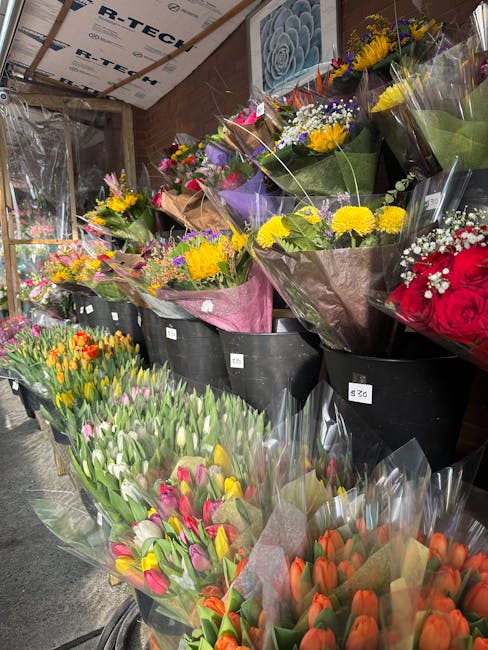
It depends on the season and customer demand, but reliable sellers often include roses, lilies, alstroemeria, tulips and mixed seasonal bouquets. Flowers that look fresh, colourful and good value usually perform well in a walk-up setting.
Should I offer occasion-based flowers at the stall?
Yes, if you want a broader customer base. Birthday flowers, thank-you bouquets, sympathy arrangements and wedding-related enquiries can all bring in different types of buyers. A small but thoughtful range is often enough.
What is the safest way to start if I am new to stall trading?
Start small, keep the display simple and make sure you understand the location rules first. Test what sells, track what customers ask for and refine your setup slowly. That approach tends to be far less stressful than trying to do everything at once.